From Textile Waste to Circular Infrastructure : Supporting the UAE’s Naseej Initiative Through PANECO®
Building the Missing Link in Textile Circularity
In 2026, the United Arab Emirates launched Naseej, a national initiative designed to accelerate the transition toward a circular economy in the textile sector.
Bringing together government entities, businesses, research institutions, and communities, Naseej represents a significant step toward transforming textiles from a linear system of production, consumption, and disposal into a circular system based on resource recovery and continuous value creation.
The initiative goes beyond recycling.
Its vision includes collection, sorting, resource recovery, innovation, circular business models, policy development, and public engagement.
At its core, Naseej recognizes a simple but powerful principle:
Textile waste should not be treated as waste. It should be treated as a resource.
Collection Alone Does Not Create Circularity
When textile circularity is discussed, attention often focuses on collection programs and recycling technologies.
However, collection is only the beginning.
The real challenge starts after materials have been collected.
The key question is not:
How much textile waste can we collect?
The key question is:
How much of that material can remain in circulation?
A functioning textile circular economy requires multiple pathways, including:
- Reuse
- Fiber-to-fiber recycling
- Industrial wiping cloths
- Felt production
- Other forms of cascade recycling
All of these pathways are important and should be prioritized whenever possible.
Yet global textile waste generation exceeds 92 million tonnes annually, and a large proportion still ends up in landfills or incineration.
One reason is that textile waste varies significantly in composition, condition, contamination levels, and end-of-life characteristics.
As a result, no single recovery pathway can address all textile waste streams.
As collection systems expand, the need for complementary circular infrastructure becomes increasingly important.
What Naseej Ultimately Requires
Naseej is not simply a textile awareness initiative.
It is a platform for building a functioning textile circular economy.
The UAE generates an estimated 220,000 tonnes of textile waste every year.
As collection and sorting systems continue to grow, an important challenge emerges:
What happens next?
Increasing collection rates alone does not increase circularity.
If collected materials cannot enter effective recovery pathways, they may still move toward disposal.
For a circular economy to succeed, two things must happen simultaneously:
- Collection rates must increase.
- Circularity rates must increase.
Only when both objectives are achieved can textile resources remain in circulation.
This is where circular infrastructure becomes essential.
The Role of PANECO®
Achieving textile circularity requires multiple complementary solutions.
Reuse.
Fiber-to-fiber recycling.
Cascade recycling.
Each plays a vital role in extending product life, preserving material value, and reducing waste.
However, not all textile resources can be effectively utilized through existing circular pathways alone.
Textiles vary significantly in composition, condition, usage history, and end-of-life characteristics.
As a result, some materials may remain outside existing recovery systems even after collection and sorting.
In addition, PANECO® is working to expand resource recovery opportunities for textile waste that has traditionally had limited options beyond landfill or incineration due to contamination or other factors.
Expanding circular pathways for these resources is essential for increasing overall circularity and reducing dependence on disposal.
PANECO® was not developed to replace reuse or recycling.
It was developed to complement them.
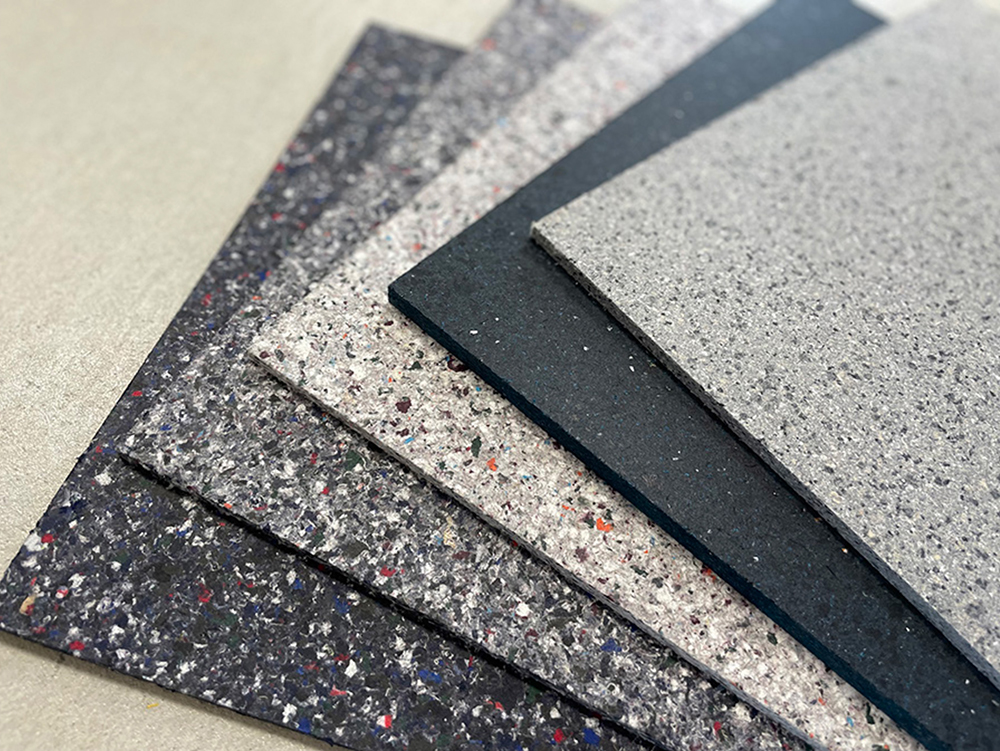
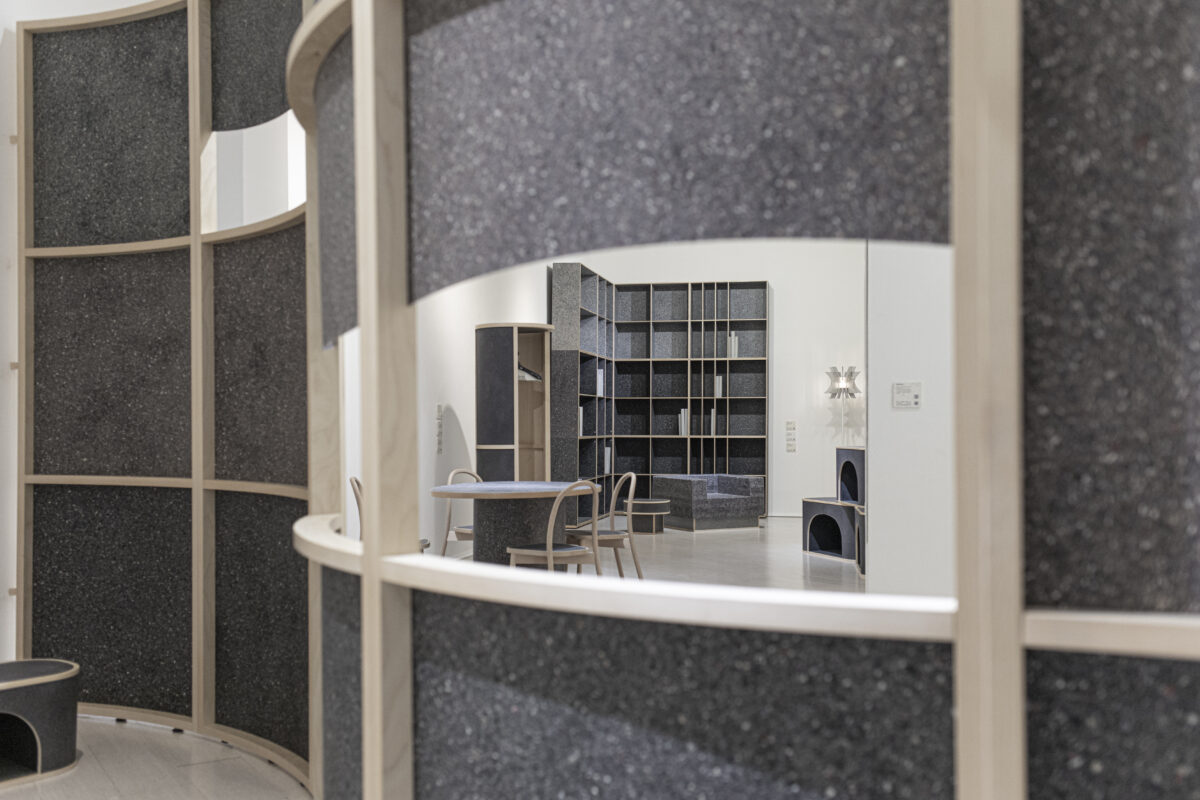
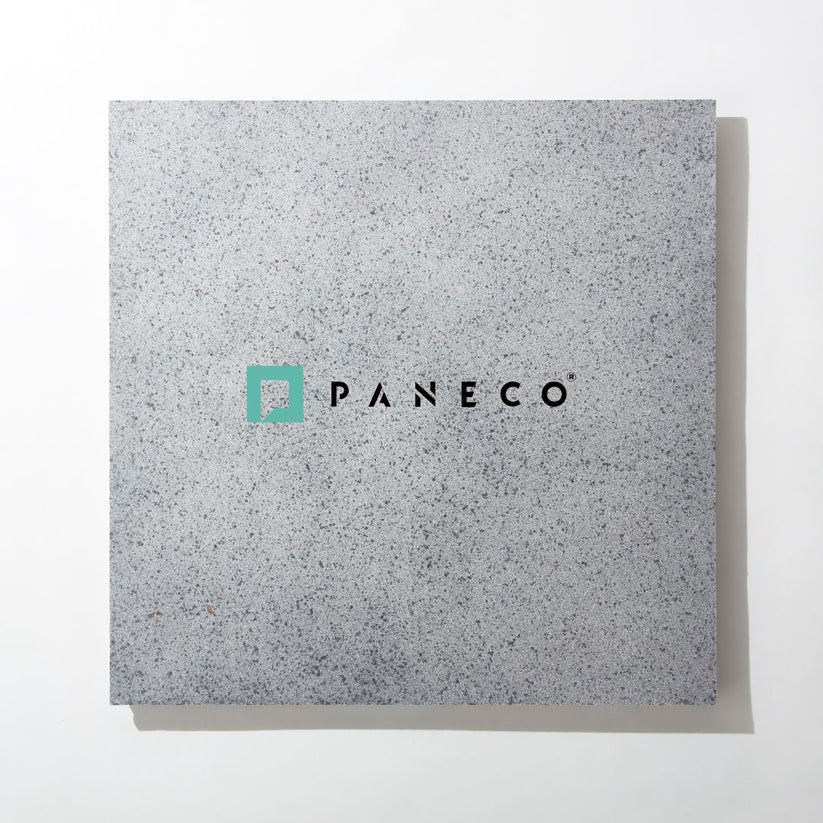
One of PANECO®’s circular solutions involves transforming textile resources into board materials that can be used in construction, interiors, furniture, fixtures, and other applications.
Historically, many of these applications have been supported by virgin forest resources.
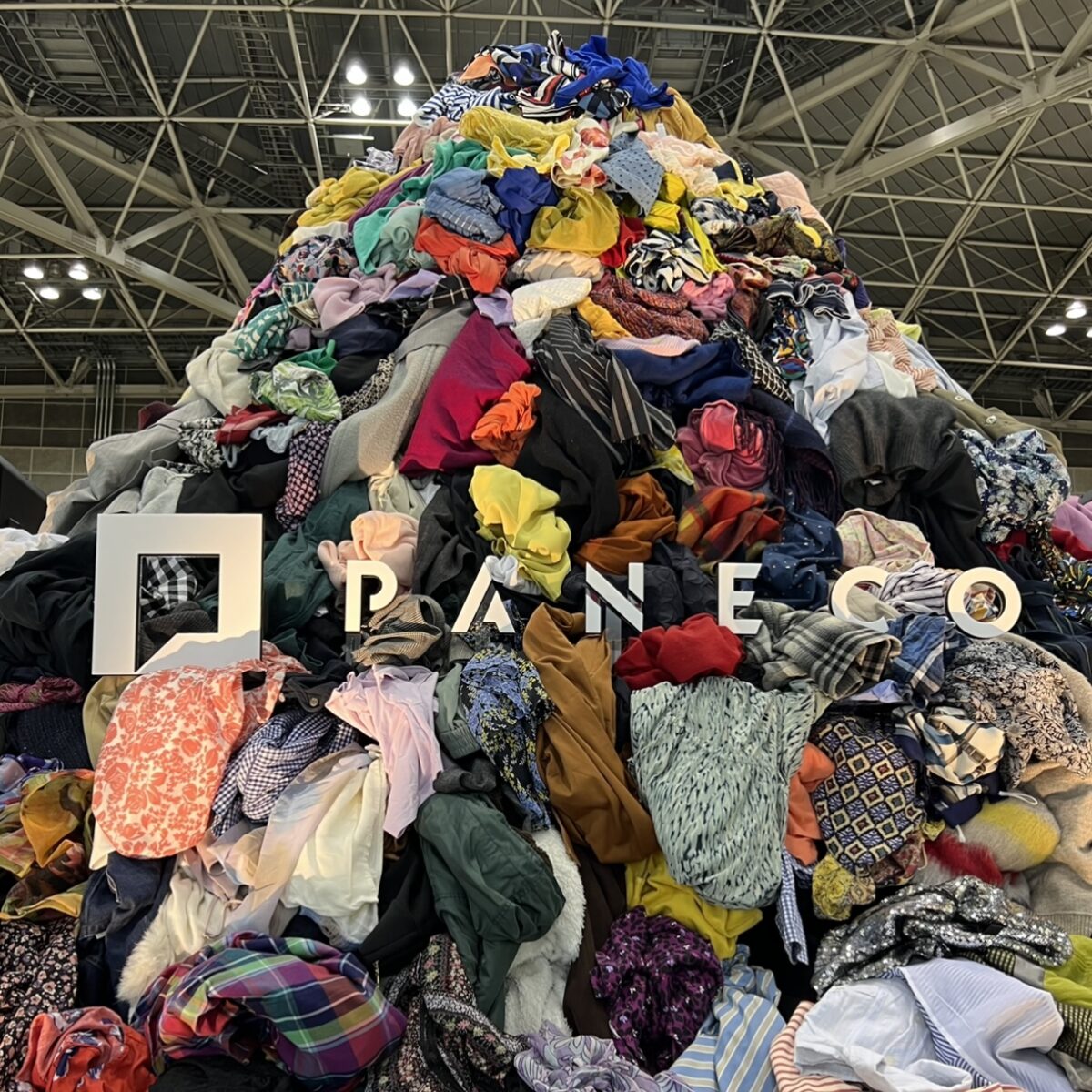
At the same time, cities already contain vast quantities of textile resources that have reached the end of their first life.
By recovering and transforming these resources into new materials, cities can strengthen resource security while reducing dependence on disposal and the extraction of new raw materials.
Through this approach, PANECO® aims to contribute to the development of circular infrastructure that keeps textile resources in use, in circulation, and creating value within society.
Connecting PANECO® with Naseej
PANECO® does not compete with reuse or fiber-to-fiber recycling.
It complements them.
Materials suitable for reuse should be reused.
Materials suitable for fiber recycling should return to fiber production.
Materials suitable for cascade recycling should continue through those pathways.
PANECO® focuses on textile materials that remain outside those existing routes.
Its purpose is to create additional recovery opportunities for materials that would otherwise move toward landfill or incineration.
The vision is what we call:
Zero Waste Textile Circularity
A system that seeks to keep textile resources in circulation for as long as possible while reducing dependence on landfill, incineration, and the transfer of environmental challenges beyond local systems.
As Naseej expands collection and sorting infrastructure across the UAE, downstream recovery capacity becomes increasingly important.
Collection alone does not create circularity.
Circularity requires recovery pathways.
Without destinations for recovered materials, circularity rates cannot improve.
PANECO® helps fill one of the remaining gaps between textile collection and resource circulation.
By providing an additional recovery pathway, it supports the transition from collection-based systems toward truly circular systems.
In this sense, PANECO® can contribute as one element of the broader infrastructure needed to support the long-term success of the Naseej initiative.
Urban Forest
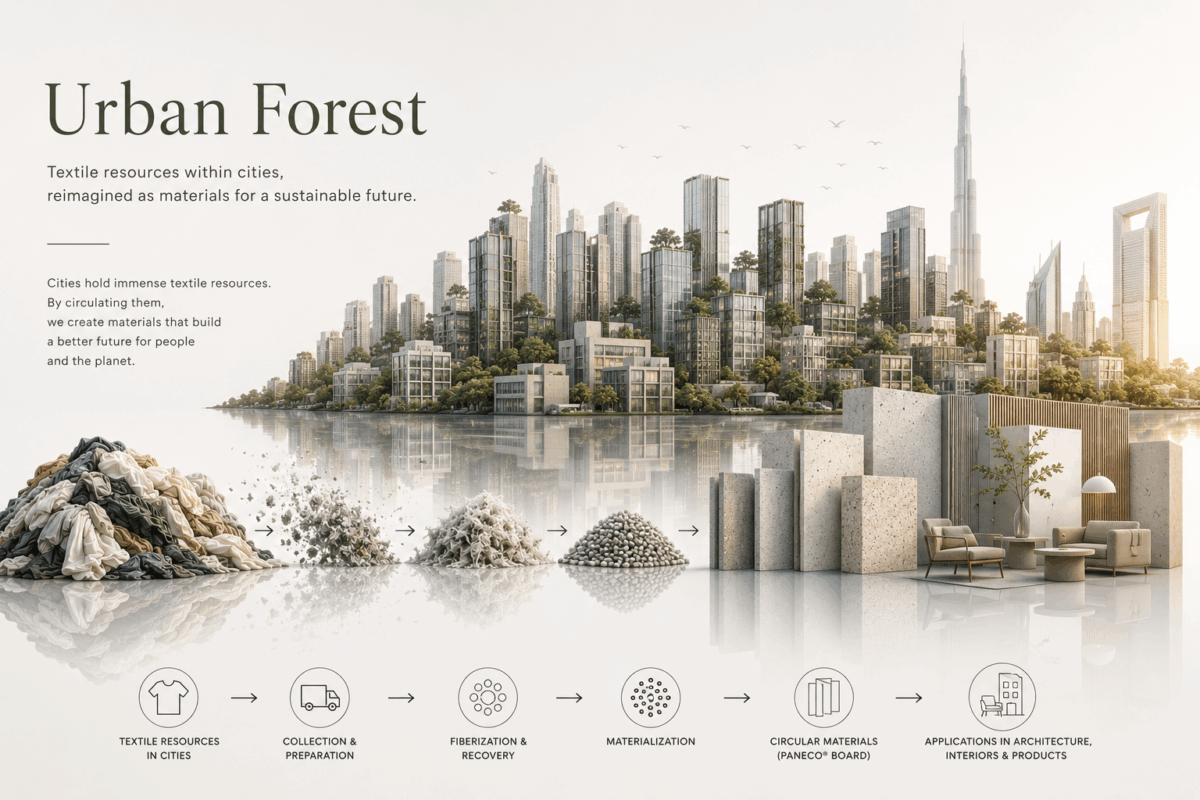
At PANECO®, textile resources generated within cities are described as an Urban Forest.
One of PANECO®’s recovery solutions involves transforming textile materials into board products used in construction, interiors, furniture, and fixtures.
Historically, many of these products have relied on virgin forest resources.
At the same time, cities already contain vast quantities of textile resources that have reached the end of their first life.
Viewed differently, textile waste represents a significant urban resource base — a resource already existing within cities, much like a forest exists within a natural landscape.
The Urban Forest concept recognizes these resources as part of the material infrastructure already existing within cities.
Urban Circularity
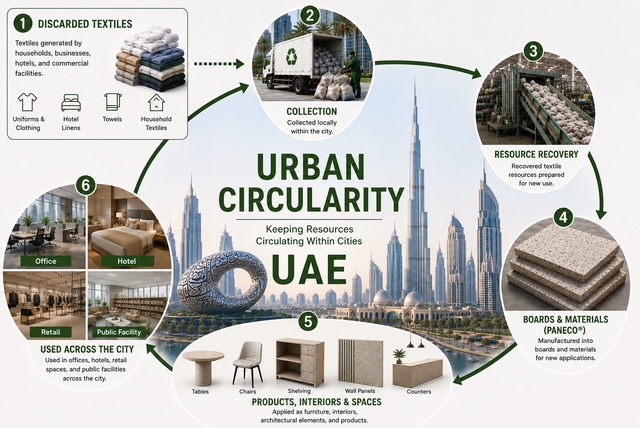
PANECO® also promotes the concept of Urban Circularity.
Rather than allowing resources to leave cities as waste, Urban Circularity keeps materials circulating within local systems.
Textiles used by households, businesses, hotels, and commercial facilities are collected.
They are transformed into new resources and products.
After use, they can be recovered and utilized again.
Through repeated recovery cycles, cities can evolve from resource-consuming systems into resource-circulating systems.
Towards Implementation in the UAE
PANECO® is currently preparing for the establishment of a UAE entity in Expo City Dubai.
At the same time, plans are being developed for a pilot-scale demonstration project focused on textile circularity within the UAE.
The objective is to validate:
- Collection and partnership models
- Resource recovery processes
- End-use applications
- Circular system design
These efforts aim to support the development of scalable textile circular infrastructure tailored to the UAE.
The Future of Textile Circularity
Textile circularity cannot be achieved through a single technology.
It requires multiple complementary pathways working together.
Reuse.
Fiber-to-fiber recycling.
Cascade recycling.
And complementary circular infrastructure such as PANECO®.
Each has a role to play.
Together, they create circular opportunities for textile materials that would otherwise become waste.
PANECO® is not an alternative to existing circular solutions.
It is infrastructure designed to complement them.
By helping fill one of the remaining gaps in textile circularity, PANECO® contributes to a more complete and resilient circular economy.
As part of the UAE ecosystem, PANECO® aims to contribute to the development of textile circular infrastructure and support the long-term vision of the Naseej initiative.
Because collection alone does not create circularity. Circularity is created when resources continue to circulate.
Continue Reading
How can textile circular infrastructure be implemented in the UAE?
Read our detailed article on the UAE Textile Circular Pilot Plant and the development of a textile circular ecosystem:
UAE Textile Recycling and Circular Economy: PANECO®’s Vision for Textile Waste – Building a Textile Circular Ecosystem through the UAE Textile Circular Pilot Plant
▻ UAE Textile Recycling and Circular Economy | Building Textile Circular Infrastructure with PANECO®
Textile Resource Circular Platform | PANECO®
PANECO® is a textile resource circular platform developed in Japan that transforms textile waste into circular materials, products, and spatial applications. Through textile recycling, resource circulation, and circular economy initiatives, PANECO® aims to build a sustainable infrastructure where textile waste is continuously circulated instead of being incinerated or landfilled.