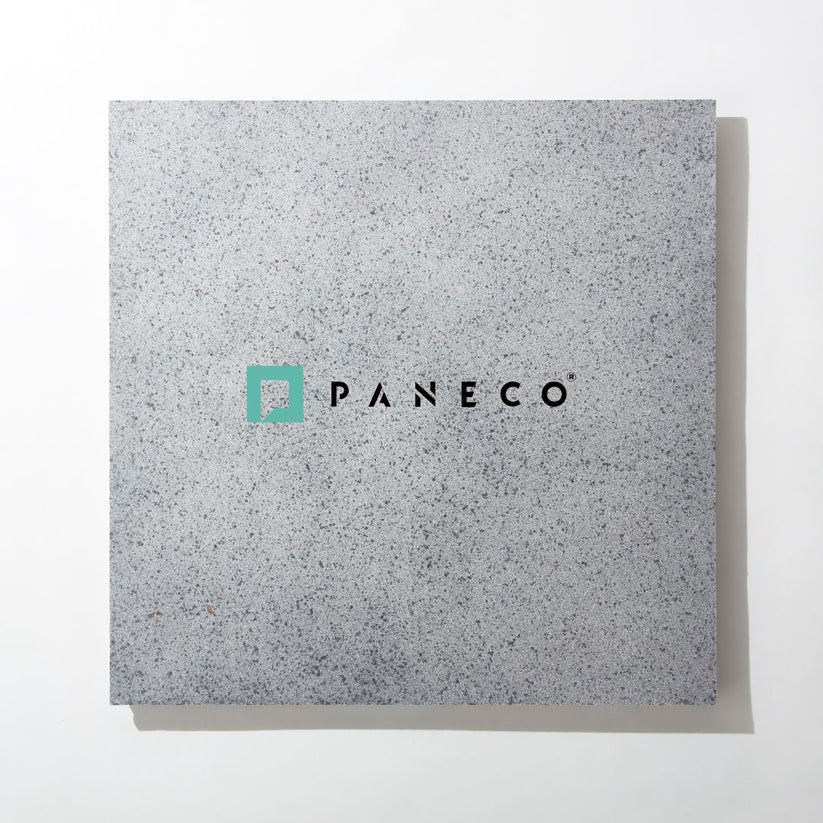
UAE Textile Recycling and Circular Economy : PANECO®’s Vision for Textile Circular Infrastructure | Building a Textile Circular Ecosystem Through the UAE Textile Circular Pilot Plant
UAE Textile Recycling and Circular Economy
PANECO®’s Vision for Textile Circular Infrastructure
Building a Textile Circular Ecosystem Through the UAE Textile Circular Pilot Plant
More than 92 million tonnes of textile waste are generated globally every year.
Yet systems capable of keeping textile resources in circulation without relying on landfill or incineration are still far from fully established.
Particularly challenging are materials such as:
・blended textiles
・contaminated or deteriorated textile products
・non-resalable textile products
・textiles that are difficult to recycle back into fiber
While reuse, fiber-to-fiber recycling, and downcycling all play important roles in textile circularity, they alone cannot address every textile resource stream.
As a result, significant volumes of textile resources still end up being discarded.
To achieve a truly circular textile economy, it is essential not only to expand existing recovery pathways, but also to develop complementary solutions for materials that remain outside those systems.
This is the challenge that PANECO® seeks to address.
Today, we are working toward the social implementation of a new textile circularity model in the United Arab Emirates.
Why the UAE?
The UAE is one of the world’s leading nations in urban development.
Hotels, commercial facilities, exhibitions, tourism, fashion, and hospitality industries are highly concentrated across the country, generating and consuming significant volumes of textile products every year.
At the same time, the UAE has positioned:
・Circular Economy
・Sustainability
・ESG
・Resource Efficiency
・Net Zero
as national priorities.
In 2026, the UAE launched the Naseej Initiative, a national platform designed to accelerate the transition toward a circular economy in the textile sector.
Naseej is not simply a collection initiative.
It aims to establish a new industrial ecosystem through collection, sorting, resource recovery, innovation, policy development, and public participation.
This vision strongly resonates with PANECO®.
Rather than viewing textile waste as something to be discarded, we believe it should be recognized as a valuable urban resource and continuously circulated within society.
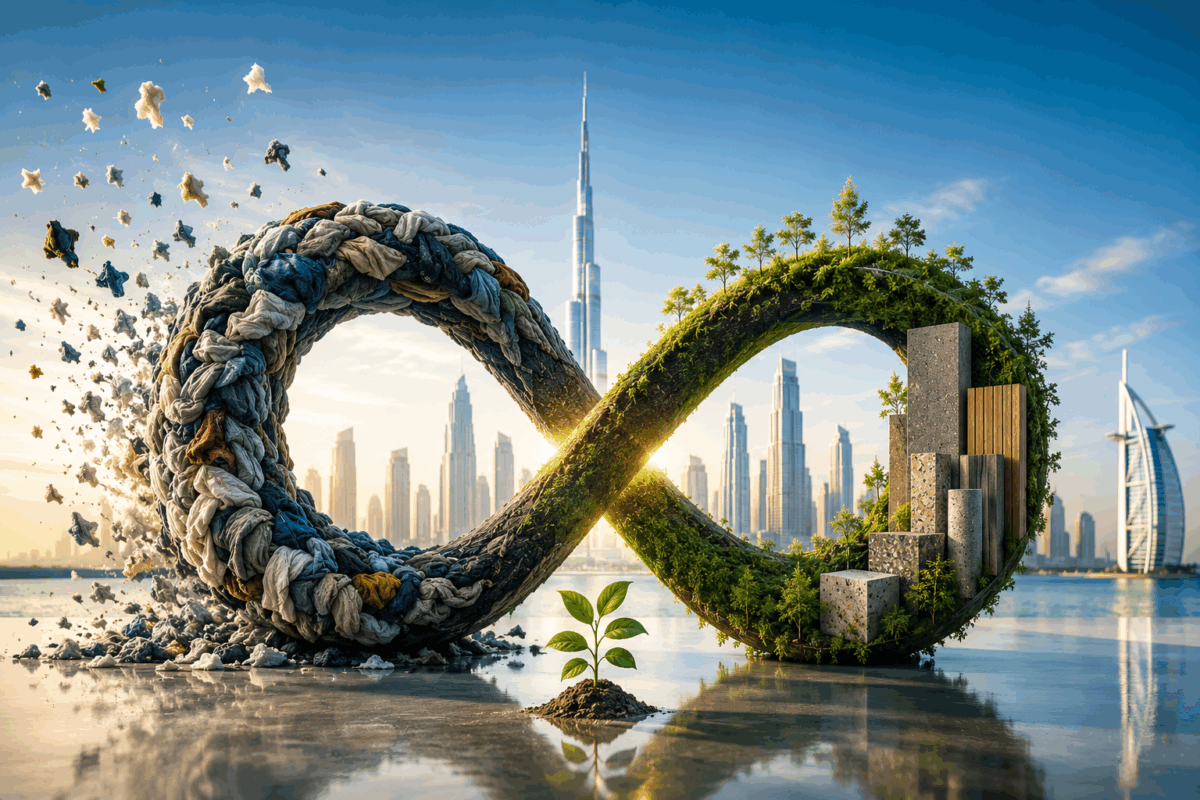
Collaboration with the UAE Ministry of Economy and Tourism
WORKSTUDIO Corporation has signed an MoU with the UAE Ministry of Economy and Tourism in the field of Circular Economy initiatives.
This collaboration aligns with the UAE Circular Economy Agenda 2031 and seeks to contribute to:
・resource circulation
・waste reduction
・sustainable industrial development
Through this partnership, PANECO® aims to bring the experience and implementation knowledge developed in Japan to support the development of a new circular society in the UAE.
What is PANECO®?
PANECO® is not simply a recycled material or board product.
It is a textile circularity platform that connects collection, resource recovery, utilization, and recirculation into a continuous circular system.
Our objective is not merely to sell products.
Our goal is to build systems through which textile resources can continuously circulate within society.
Since 2019, PANECO® has been developed and implemented in Japan across:
・textile collection
・resource recovery
・material development
・product development
・architectural and interior applications
・circular resource systems
The platform has also achieved:
・patented technology
・international patent protection
・Eco Mark certification
・Good Design Award recognition
Today, mass production is being advanced in Japan through the utilization of existing building-material manufacturing infrastructure.
PANECO® is not a research-stage concept.
It is a textile circularity platform already being implemented in society, with further scale-up through mass production currently underway.
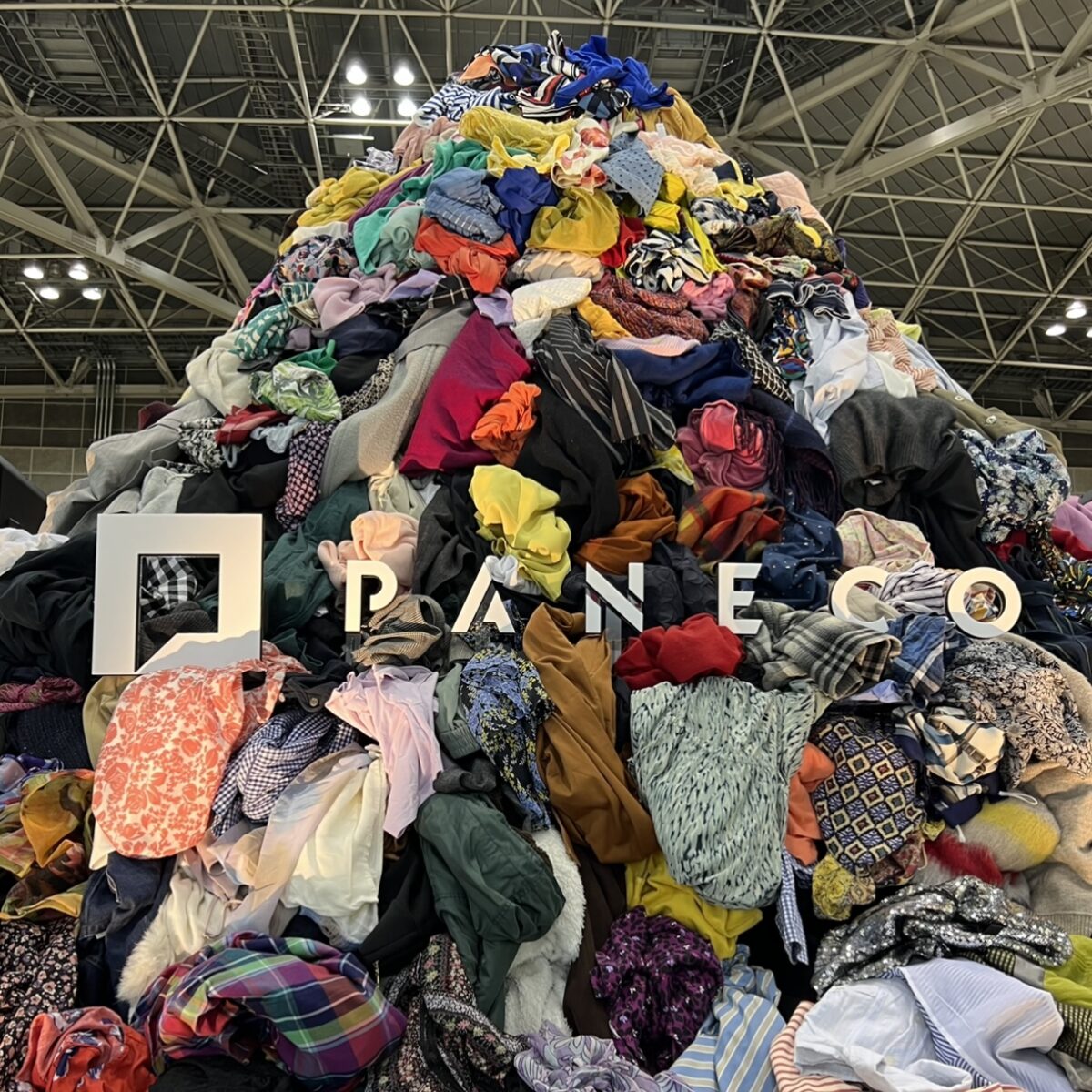
The Priority Order of Textile Circularity
PANECO® does not believe that all textile resources should immediately be converted into boards.
Textile circularity should follow an appropriate hierarchy.
First, reuse.
Second, fiber-to-fiber recycling.
Third, downcycling applications such as felt, industrial materials, and other secondary uses.
These pathways should continue to be prioritized whenever possible.
However, some textile resources remain difficult to utilize through these existing routes alone.
PANECO® focuses on providing additional circular opportunities for these remaining materials.
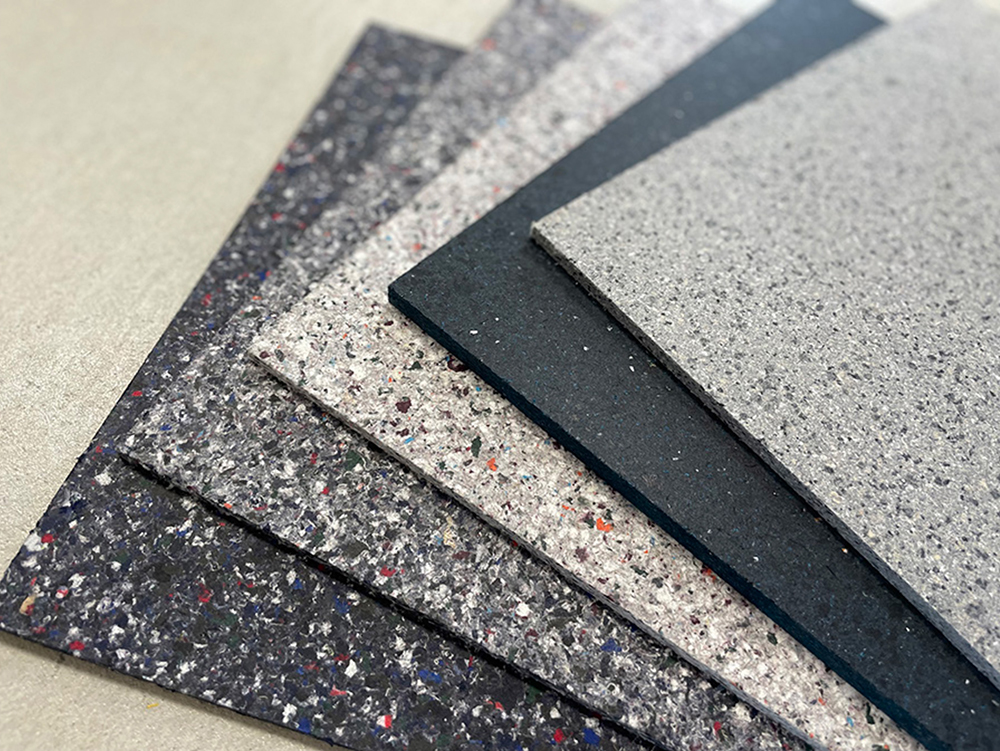
The PANECO® Textile Circular Ecosystem
PANECO® is not intended to compete with existing circular solutions.
It is designed to complement them.
Reusable materials should be reused.
Recyclable fibers should return to fiber production.
Materials suitable for downcycling should continue through those pathways.
PANECO® focuses on textile resources that remain outside those existing systems.
By adding PANECO® to the broader circular ecosystem, a greater proportion of collected textile resources can remain in circulation.
Our vision is not a system dominated by a single technology.
It is a system where multiple circular pathways work together to maximize resource circulation.
This is the concept behind the PANECO® Textile Circular Ecosystem.
Addressing the Remaining Textile Resources
Reuse.
Fiber-to-fiber recycling.
Downcycling.
And resource circulation through PANECO®.
Yet even with these pathways, some textile resources remain outside existing circular systems.
For example:
・heavily contaminated textile products
・textile products that have deteriorated beyond practical reuse or material recovery
・composite materials containing leather, synthetic leather, resin treatments, coatings, or other mixed components
・textile waste that is difficult to process through existing recycling systems
In many cases, these materials have traditionally been treated as waste and directed toward landfill or incineration.
But are they truly waste?
We do not believe so.
Even when existing circular pathways cannot effectively utilize these materials, they may still retain untapped value.
At PANECO®, we are exploring ways to recover value from these “last remaining textile resources” and have successfully demonstrated their potential for resource recovery through proof-of-concept trials.
By expanding circular solutions to include these challenging textile waste streams, textile resource circulation can move closer to a Zero Waste future.
Our goal is not to decide at some point that a textile resource has become waste.
Our goal is to continue creating value from textile resources for as long as possible.
This is more than a recycling technology.
It is a philosophy, a system, and a model for social implementation designed to keep textile resources circulating for as long as possible.
And that is the vision of textile circularity that PANECO® seeks to realize.
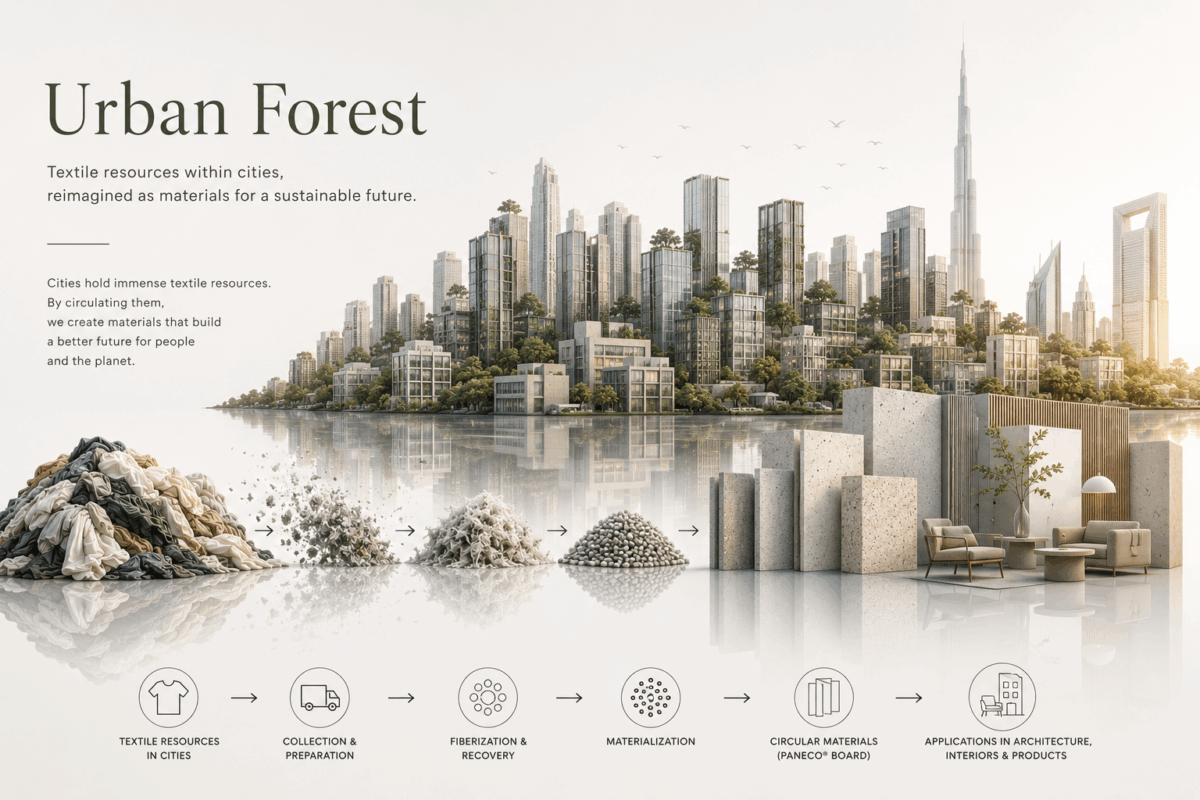
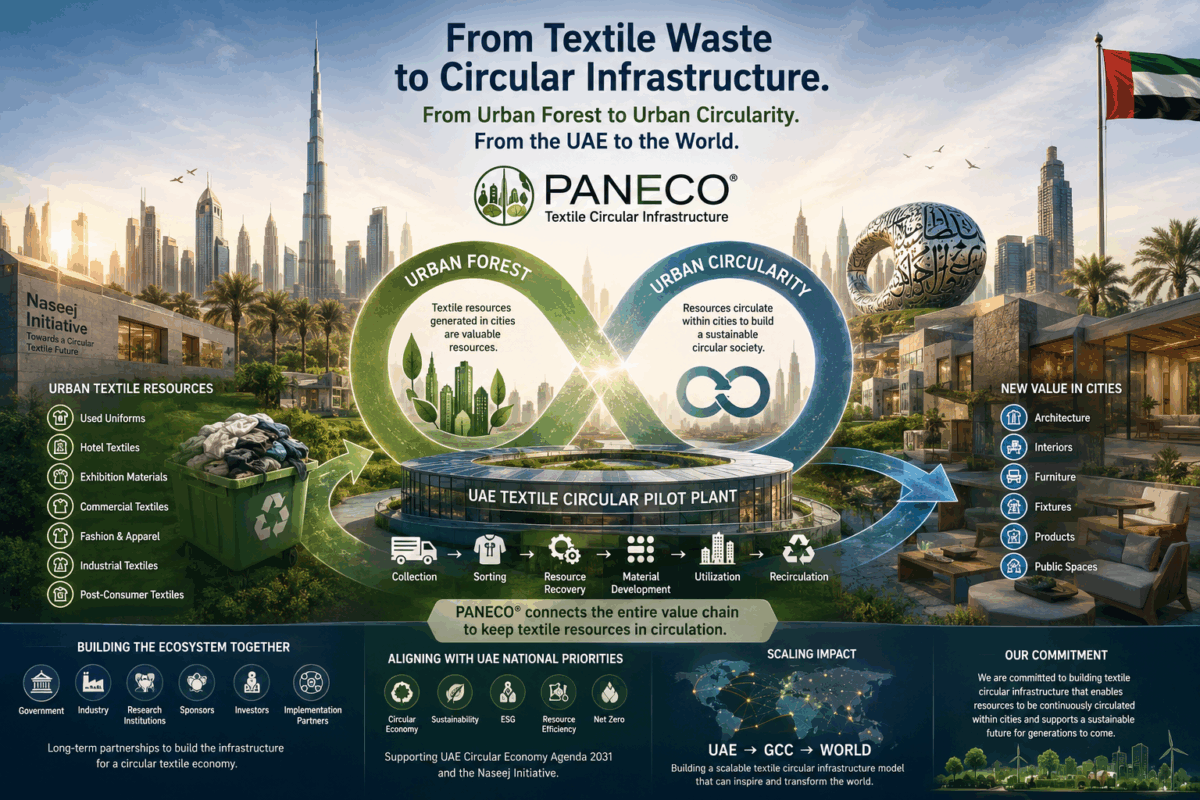
Urban Forest
At PANECO®, textile resources generated within cities are described as an Urban Forest.
Used uniforms.
Hotel textiles.
Exhibition materials.
Commercial interior textiles.
These materials should not simply be viewed as waste.
They represent valuable resources already existing within urban environments.
Cities are not only places where resources are consumed.
They are also places where new resources are continuously generated.
The Urban Forest concept recognizes these underutilized resources as a new form of urban resource base.
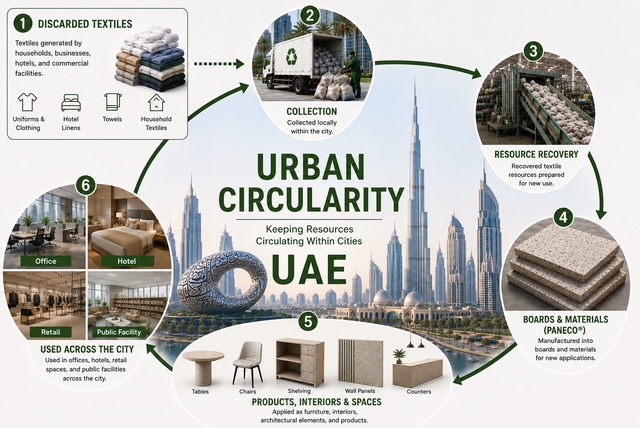
Urban Circularity
Urban Circularity is the concept of continuously circulating resources within cities.
Collection.
Resource recovery.
Utilization.
Recovery and recirculation.
Through these repeated cycles, cities can evolve from resource-consuming systems into resource-circulating systems.
PANECO® is not simply pursuing recycling.
Our objective is to build new social systems where resources continuously circulate within urban environments.
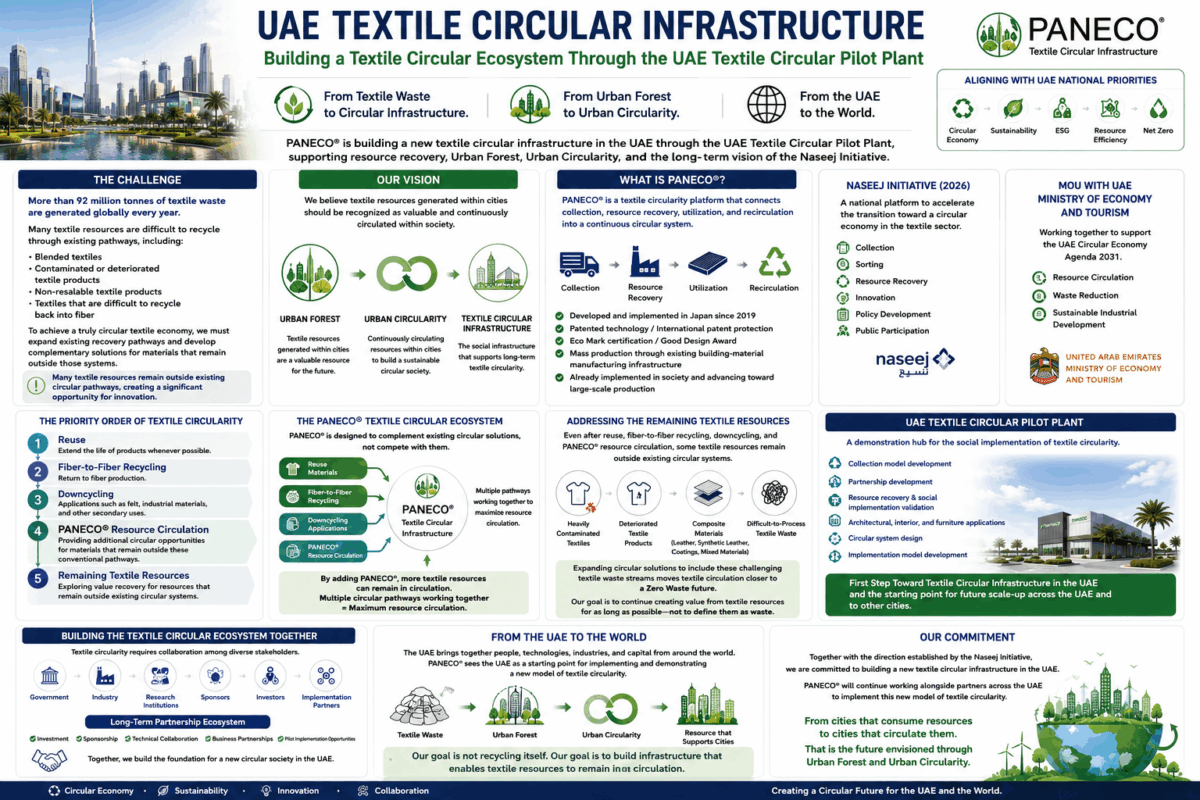
UAE Textile Circular Pilot Plant
The UAE Textile Circular Pilot Plant is the next step toward that vision.
This facility is not simply a factory.
It is a demonstration hub for the social implementation of textile circularity.
Its objectives include:
・collection model development
・partnership development
・resource recovery validation
・architectural, interior, and furniture applications
・circular system design
・implementation model development
It represents the first step toward implementing Urban Forest and Urban Circularity within real communities.
It is also the starting point for future scale-up and large-scale social implementation through mass production.
To achieve this, opportunities for scaling through existing building-material manufacturing infrastructure will also be explored.
Building the Textile Circular Ecosystem Together
The realization of the UAE Textile Circular Pilot Plant requires collaboration among diverse stakeholders.
Government.
Industry.
Research institutions.
Sponsors.
Investors.
And implementation partners.
Textile circularity cannot be achieved by a single organization alone.
We are not seeking short-term capital focused solely on financial returns.
We are seeking long-term partnerships with organizations that share the vision of building a new circular society in the UAE.
Such partnerships may take many forms:
・investment
・sponsorship
・technical collaboration
・business partnerships
・pilot implementation opportunities
This initiative also requires more than investment alone.
Sponsors who share this vision can play an important role in helping establish the ecosystem required for long-term textile circularity.
Sponsorship represents a different form of participation from investment.
It helps support the creation of new circular industries and a more sustainable society.
The UAE Textile Circular Pilot Plant is only the beginning.
The long-term objective is to develop a scalable textile circular infrastructure for the UAE, with future potential applications across the GCC region.
From the UAE to the World
The UAE brings together people, technologies, industries, and capital from around the world.
PANECO® does not view the UAE simply as an overseas market.
We see it as a starting point for implementing and demonstrating a new model of textile circularity.
Textile waste does not have to remain waste.
With the right systems, it can become a resource that supports cities.
Our goal is not recycling itself.
Our goal is to build infrastructure that enables textile resources to remain in circulation.
Together with the direction established by the Naseej Initiative, we are committed to helping build a new textile circular infrastructure in the UAE.
PANECO® will continue working alongside partners across the UAE to implement this new model of textile circularity.
From cities that consume resources to cities that circulate them.
That is the future envisioned through Urban Forest and Urban Circularity.
From Textile Waste to Circular Infrastructure.
From Urban Forest to Urban Circularity.
From the UAE to the World.
Textile Resource Circular Platform | PANECO®
PANECO® is a textile resource circular platform developed in Japan that transforms textile waste into circular materials, products, and spatial applications. Through textile recycling, resource circulation, and circular economy initiatives, PANECO® aims to build a sustainable infrastructure where textile waste is continuously circulated instead of being incinerated or landfilled.