
EuroShop 2026 | Upcycling in Retail Store Design | Transforming Waste into Sustainable Materials | PANECO
Upcycling in Retail Store Design
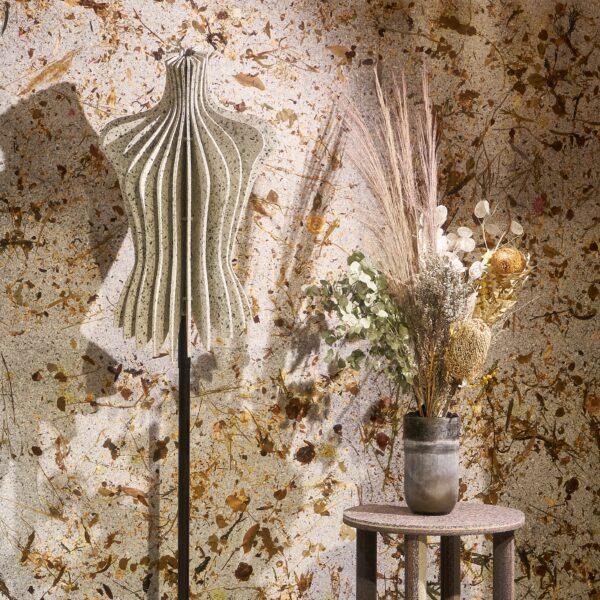
Upcycling in Retail Store Design is no longer a conceptual discussion or a symbolic gesture toward sustainability.
Today, it has become a practical requirement for creating, maintaining, and renewing commercial spaces.
The era in which simply claiming environmental responsibility carried value has ended.
What now matters is whether a material can genuinely continue to function within real commercial environments.
This is where the concept of upcycling becomes essential.
—
The Reality of Upcycling in Retail Store Design
Upcycling is not about merely reusing waste.
It is about redesigning waste into materials with a clear next purpose.
Retail spaces are characterized by:
– High frequency of use
– Repeated renovations and functional changes
– An inherent assumption of continuous renewal
As a result, materials used in retail environments must meet strict conditions:
– They must naturally function as part of the space from a design perspective
– They must integrate seamlessly into existing design, fabrication, and construction workflows
– They must be intended for continuous use, not one-time application
Upcycling does not contradict these realities.
It becomes meaningful only when materials are designed from the outset for real commercial use.

—
Redefining Waste as the Starting Point of Material Design
The essence of upcycling lies not in what is reused,
but in how materials are fundamentally redesigned.
Rather than treating post-use materials as something to be disposed of,
upcycling reframes them as the starting point for the next generation of materials.
From this perspective, waste is no longer a cost burden.
It becomes a resource capable of generating design value and commercial relevance.
—
Textile Waste as a Viable Material for Retail Applications
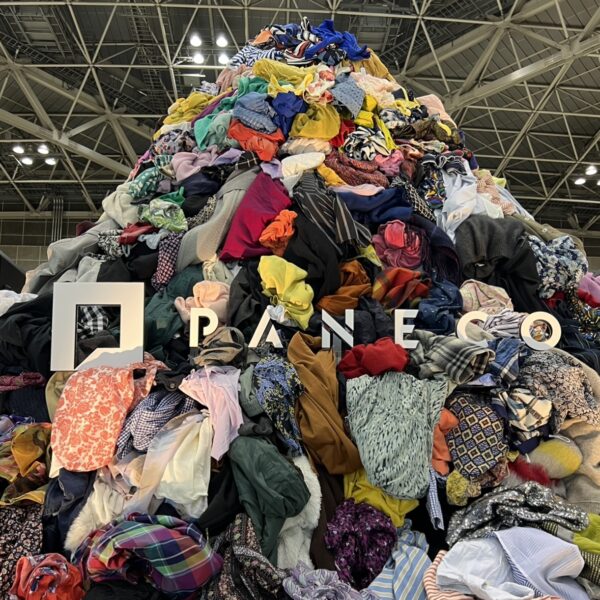
Textile waste has traditionally been considered difficult to recycle at scale.
However, by designing materials specifically for retail applications from the outset,
it becomes possible to transform textile waste into materials suitable for:
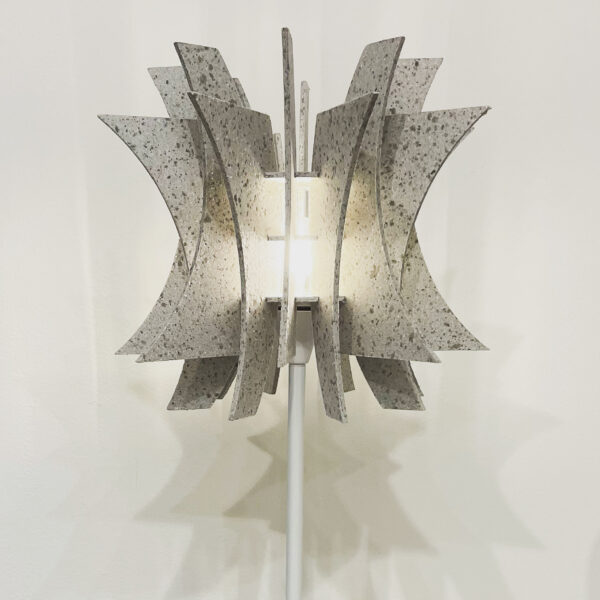
– Retail interiors
– Store fixtures
– Furniture panels
– Interior building materials
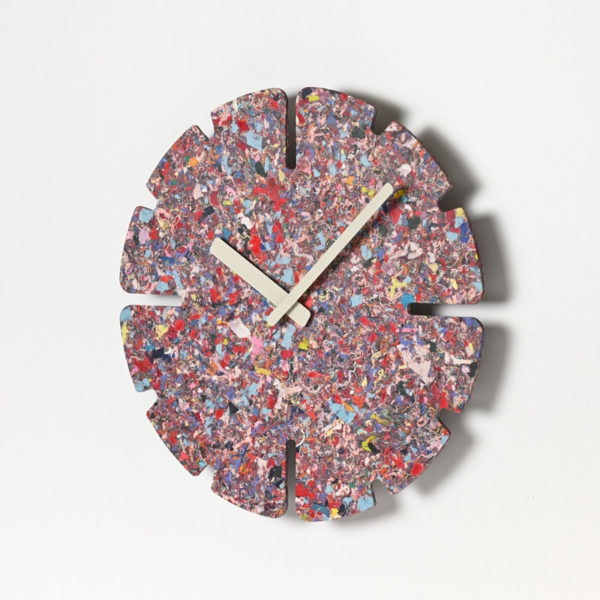
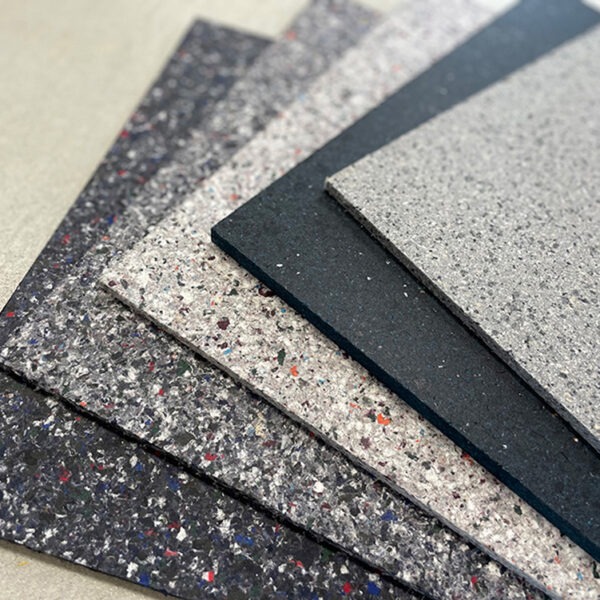
PANECO develops textile recycling boards made from post-use textile waste,
designed explicitly for real-world commercial use.
These boards are not experimental materials created solely for environmental appeal.
They are designed with a balance of aesthetic quality and practical usability,
allowing them to function naturally as part of retail environments.
—
From One-Time Use to Continuous Material Selection
Upcycling in Retail Store Design does not aim to introduce eco-friendly materials once.
Instead, it focuses on materials that:
– Are used daily
– Remain functional through renovations and layout changes
– Return to circulation as materials after fulfilling their role
This continuity-based approach to material selection defines the next stage of retail design.
—
What PANECO Will Present at EuroShop 2026
At EuroShop 2026, the PANECO booth will not showcase a finished concept space.
Instead, the focus will be on:
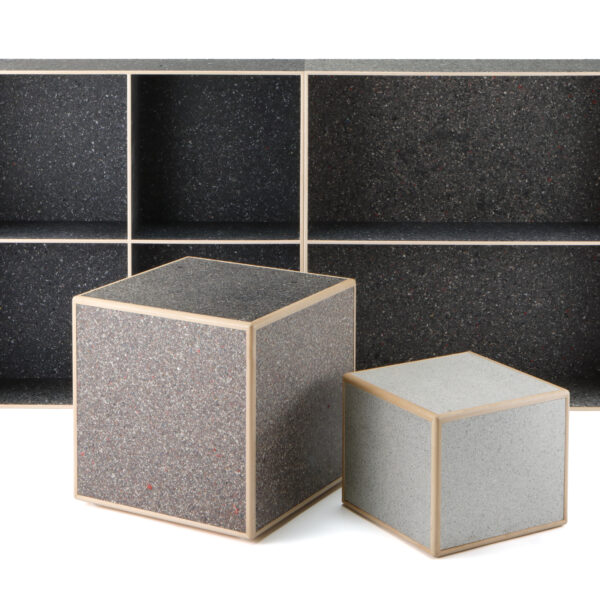
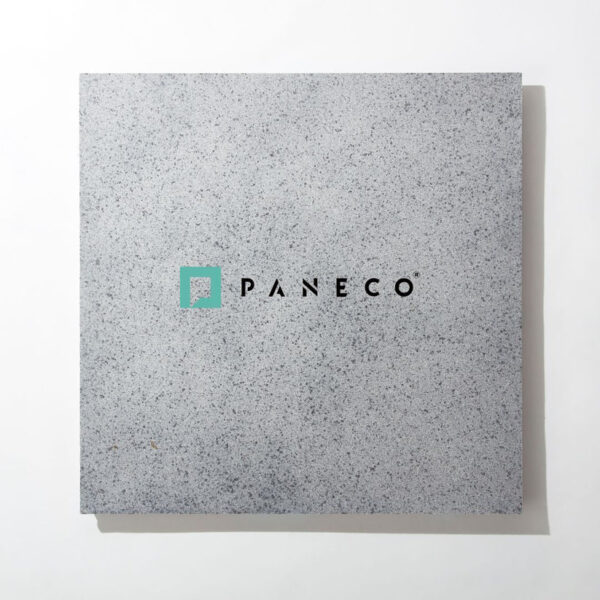
– The textile recycling boards themselves
– Product samples derived from these materials
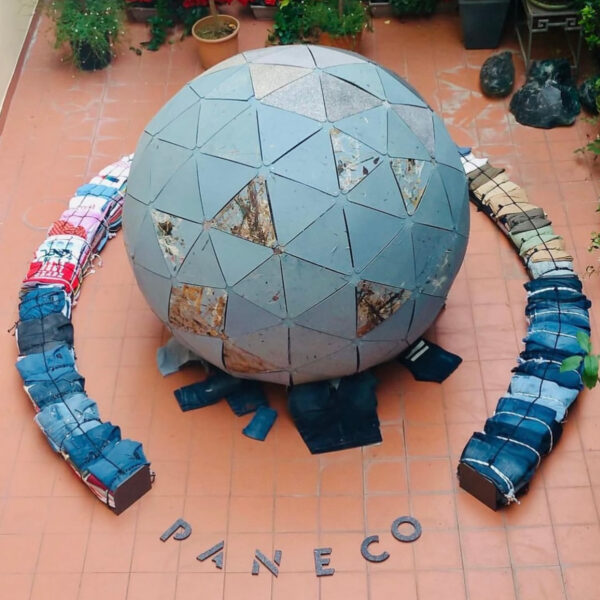
– The actual processes through which textile waste becomes material, is used, and returns to circulation
This structure allows visitors to evaluate the materials and their underlying design philosophy
from the perspective of real-world implementation and decision-making.
—
Global Sales Partner Recruitment
PANECO is seeking global sales partners and business partners
to introduce textile recycling boards made from textile waste
into retail and commercial projects worldwide.
We are looking for partners with experience in:
– Retail interiors
– Store fixtures
– Furniture
– Interior building materials
PANECO aims to collaborate with partners committed to establishing upcycling materials
as practical, long-term solutions within commercial markets.
—
Exhibition Information
Booth:
WORKSTUDIO | PANECO | Hall 10 / B29
EuroShop Exhibitor Profile:
https://www.euroshop-tradefair.com/vis/v1/en/exhprofiles/rVtEHoBkQCewcyg9uABVAA
Sales Partner Recruitment Page:
https://paneco.tokyo/news/overseas-sales-agent-recruitment-from-textile-waste-to-endless-value/
Website:
https://paneco.tokyo/
Contact:
euroshop2026@paneco.tokyo
Related Keywords
sustainable, circular, recycled, upcycling, eco-friendly, materials, products
retai, shop, store, interiors, shopfitting, furniture, fixtures, panels, boards, flooring, floor, building, design, applications
textile recycling